
Frozen pipes are a common winter concern for homeowners, but not every frozen pipe will burst. While freezing significantly increases the risk of pipe failure, many factors determine whether a pipe cracks, leaks, or remains intact. Understanding how frozen pipes behave can help homeowners act quickly and reduce the risk of serious water damage.
Why Pipes Burst When They Freeze
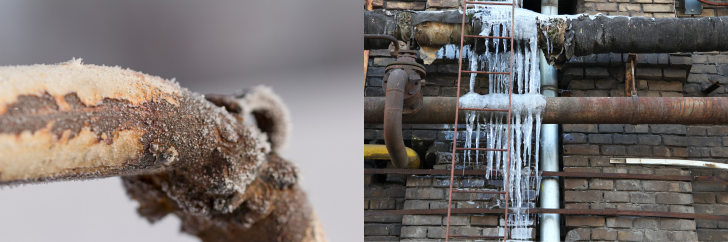
When water freezes inside a pipe, it expands and creates pressure within the pipe. This pressure builds between the ice blockage and closed faucets or valves. Pipes typically burst not because the water inside freezes, but because pressure becomes trapped with nowhere to escape. The damage often occurs when the ice begins to thaw and water pressure suddenly returns.
Do Frozen Pipes Always Burst?
No, frozen pipes do not always burst. Some pipes remain intact during freezing, especially if they have room to expand or if water pressure is relieved. However, even pipes that do not burst immediately are still at risk. Cracks or weak points may form and later develop into leaks once temperatures rise.
Factors That Affect Whether a Pipe Bursts
Several factors influence whether a frozen pipe will burst. Pipe material plays a major role, with copper pipes being more prone to bursting than flexible materials like PEX. The location of the pipe also matters, as pipes in exterior walls or unheated areas are more likely to freeze solid. Water pressure, how long the pipe remains frozen, and whether faucets are open or closed all contribute to the likelihood of bursting.
Where Pipes Are Most Likely to Burst
Pipes most likely to burst are those exposed to cold air, including pipes in crawl spaces, attics, garages, and basements. Exterior wall plumbing and outdoor water lines are also at high risk. Areas with poor insulation or drafts increase the chances of freezing and pipe failure.
Why Pipes Often Burst After Thawing
Many homeowners assume pipes burst while frozen, but most damage occurs during thawing. As ice melts, trapped water begins flowing again, rapidly increasing pressure inside weakened sections of pipe. This sudden pressure can cause cracks or ruptures, leading to leaks or flooding.
Signs a Frozen Pipe May Have Burst
Signs of a burst pipe include water stains on walls or ceilings, damp floors, puddling water, reduced water pressure, or the sound of running water behind walls. In severe cases, visible water damage or active flooding may occur once the ice melts.
What to Do If You Suspect Frozen Pipes
If you suspect a pipe is frozen, keep the affected faucet open to relieve pressure. Apply gentle heat using safe methods such as a hair dryer or warm towels. Avoid using open flames or high-heat devices. If you cannot safely locate or thaw the pipe, contact a professional for assistance.
What to Do If a Pipe Bursts
If a pipe bursts, immediately shut off the main water supply to stop water flow. If water is near electrical components, turn off power to the affected area if it is safe to do so. Remove valuables from the area and contact a plumber and water damage restoration professionals as soon as possible.
How to Reduce the Risk of Bursting
Preventative steps can greatly reduce the risk of frozen pipes bursting. Insulating exposed pipes, sealing drafts, maintaining consistent indoor heat, and allowing faucets to drip during extreme cold all help relieve pressure and prevent freezing. Preparing your plumbing before winter is the most effective way to avoid damage.
Reach out today for help with your frozen pipes
Frozen pipes do not always burst, but they always pose a serious risk to your home. Taking quick action during freezing temperatures and using safe thawing methods can help prevent major damage. If frozen pipes do result in leaks or water damage, reach out to First & Last Restoration for professional water damage restoration services to protect your home and restore it as quickly as possible.