
Yes, landlord insurance typically does cover water damage—but only when it’s sudden and accidental. For example, damage caused by a burst pipe, broken water heater, or overflowing appliance is generally covered. However, gradual leaks, water damage from tenant negligence, flooding, or sewer backups are not covered under a standard policy unless specific additional coverage is purchased. Understanding what is and isn’t included in your policy is essential for protecting your property and avoiding costly surprises.
What Is Landlord Insurance?
Landlord insurance is a specialized type of property insurance designed for rental property owners. Unlike homeowners insurance, which covers both the dwelling and personal belongings, landlord insurance is focused solely on protecting the structure of the building and the owner’s financial interest. These policies typically include three main components: property damage, liability coverage, and loss of rental income. Optional add-ons can also be purchased for more extensive protection. While it may seem like it covers “everything,” water damage is one area where details matter.
How Landlord Insurance Defines Water Damage
When it comes to water damage, insurance companies draw a clear line between sudden and accidental events and preventable or gradual issues. Coverage often depends on the source and speed of the damage. Sudden events—like a pipe bursting overnight and soaking the walls—are usually covered. In contrast, a slow, unnoticed leak that drips behind a wall for months, causing mold and rot, typically is not.
Another critical factor is whether the water originates from inside or outside the property. Most policies do not cover damage caused by flooding from heavy rain, rising rivers, or surface water unless you’ve purchased separate flood insurance.
Types of Water Damage That Are Typically Covered
If water damage happens unexpectedly and from within the building, there’s a good chance your landlord insurance will cover it. Examples include:
- A water pipe freezing and bursting during a cold snap.
- A malfunctioning dishwasher or washing machine overflowing and damaging the floor.
- A hot water heater ruptures causing water to leak through the ceiling or floor.
- Rainwater leaking through the roof due to storm damage (but not from wear and tear).
In these cases, the policy generally covers the cost of repairs to the structure, such as walls, flooring, or ceiling repairs. However, coverage doesn’t usually extend to the tenant’s personal belongings, which would be handled under their renters insurance.
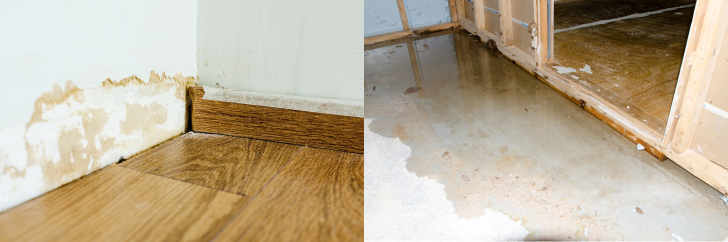
What Water Damage Is Usually Not Covered?
While landlord insurance covers many water-related problems, there are important exclusions every property owner should know.
Flooding is the most common exclusion. This includes any water that comes from outside the property, such as a storm surge, river overflow, or heavy rain pooling around the foundation. To be protected from this type of water damage, a separate flood insurance policy is necessary.
Gradual leaks are another major exception. If a slow drip from an aging pipe damages your drywall or flooring over time, your claim may be denied because the issue is considered a result of poor maintenance.
Mold damage is only covered if it results from a covered event. If a sudden burst pipe leads to mold growth and you act quickly to fix the issue, you may be covered. But if the mold is due to a long-term leak, the cost of remediation likely falls on you.
Sewer or drain backups often aren’t covered under a standard policy, but you can add this coverage with an optional rider.
Landlord vs. Tenant Responsibilities
Landlord insurance typically covers the structure of the building, but not the tenant’s personal property. For example, if a pipe bursts and damages the carpet and walls, the repair costs would likely be covered. But if the tenant’s laptop or clothing was ruined by the water, they would need renters insurance to file a claim.
It’s also important to consider liability and negligence. If the water damage is caused by the tenant—say they leave a faucet running or fail to report a leak—you may not be responsible for the damages under your policy. However, you’d need proper documentation to prove tenant negligence.
Requiring tenants to carry renters insurance is a smart move. It not only protects their belongings but also reduces liability concerns for landlords.
What Happens During the Claims Process?
If your rental property experiences sudden water damage, it’s important to act quickly. Document the damage thoroughly with photos or videos, and contact your insurance company immediately to file a claim. An adjuster will typically visit the property to assess the extent of the damage. If the property becomes uninhabitable, many landlord insurance policies also provide loss of rental income coverage, helping you recoup missed rent payments while repairs are being made.
Be aware of any deductibles and coverage limits, which vary by policy and insurer. Knowing these details ahead of time can help avoid unpleasant surprises.
How to Avoid Denied Claims
Prevention and documentation are your best defenses. Here are a few tips to protect your investment:
- Conduct regular inspections of plumbing, roofs, and appliances.
- Promptly fix even minor leaks or water issues before they worsen.
- Keep a maintenance log with photos, receipts, and notes on any repairs.
- Review your policy each year with your insurance agent to ensure you have adequate coverage, including riders for mold, backups, or flood protection if needed.
By taking proactive steps, you not only reduce the risk of damage but also improve your chances of having a future claim approved.
Conclusion: Know Your Coverage, Act Fast, and Trust the Pros
Water damage can be one of the most stressful issues landlords face, especially if it threatens rental income or leaves a property uninhabitable. Fortunately, landlord insurance often covers sudden and accidental water damage, but not flooding, slow leaks, or sewage backups—unless you’ve added those coverages in advance.
When water damage strikes, speed and professionalism matter. Our experienced team responds quickly, mitigates damage, and restores properties to their full potential—so you can get back to business with peace of mind. Contact First and Last Restoration today to prevent any further damage!