
A bathroom that carries a persistent mildew odor is typically caused by a combination of excess moisture, poor airflow, and the presence of organic materials like fabric or wood. These conditions create the perfect breeding ground for mold and mildew, leading to that unmistakable smell that can linger despite regular cleaning. Understanding the underlying causes—and how to fix them—is key to eliminating the odor and keeping your bathroom fresh, safe, and mold-free.
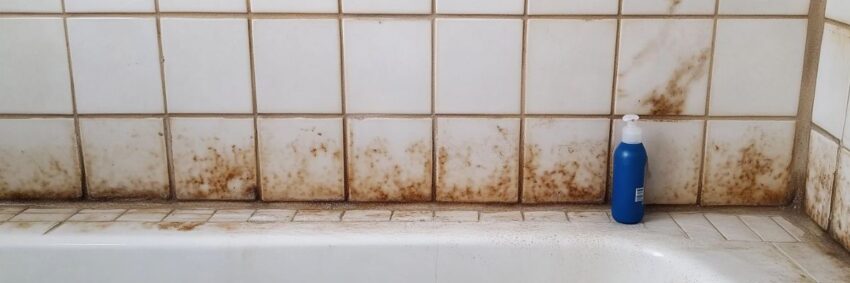
Common Causes of Mildew Smell in the Bathroom
Poor Ventilation
One of the most common culprits behind a mildew smell is poor ventilation. Bathrooms that lack an exhaust fan or have sealed windows tend to trap moisture after showers or baths. This stagnant, moist air allows mildew spores to settle and grow on walls, ceilings, and grout lines. Without proper airflow, even the cleanest bathroom can start to develop that unmistakable musty scent.
Excess Humidity
Humidity is a major factor in mildew development. The steam from hot showers and baths increases moisture levels in the air. If that humidity isn’t properly vented, it settles on surfaces, making them damp and prone to mold. Over time, even non-porous surfaces like tile can begin to develop mildew in the grout and caulk if they are constantly exposed to moisture.
Plumbing Leaks
Even small leaks behind walls or beneath sinks can lead to serious moisture problems. These hidden leaks often go unnoticed, allowing water to pool in places where it can’t evaporate. This creates the ideal environment for mildew and mold, especially in dark, warm areas that are rarely disturbed. If you notice a musty odor and can’t find an obvious cause, it’s a good idea to inspect for hidden leaks.
Damp Fabrics
Items like wet towels, bathmats, and shower curtains can quickly become breeding grounds for mildew if not dried properly. When these fabrics remain damp for extended periods, mildew can grow and spread. Even freshly laundered towels can develop odors if they’re hung in a humid room without sufficient airflow.
Clogged Drains
Hair, soap scum, and other organic matter that builds up in your drains can also contribute to a mildew smell. As this debris breaks down, it can create a foul, musty odor that rises up from the plumbing. In addition, slow-draining sinks or tubs can leave standing water behind, further contributing to the problem.
Decaying Materials
In older bathrooms or those affected by past water damage, materials like drywall, subflooring, or wood trim may begin to decay. These materials can absorb moisture and harbor mildew deep within, emitting a persistent musty smell that’s hard to eliminate through surface cleaning alone.
Steps to Eliminate Mildew Odors
Enhance Ventilation
Improving your bathroom’s ventilation is the first step to eliminating mildew odors for good. If your bathroom doesn’t already have one, consider installing an exhaust fan to help expel humid air. If you do have a fan, make sure it’s working properly and run it for at least 20 minutes after each shower. In addition, leave the bathroom door open when not in use, or open a window to help fresh air circulate.
Identify and Repair Leaks
A thorough inspection of your plumbing can reveal leaks that contribute to dampness and mildew. Check beneath sinks, behind the toilet, and around your bathtub or shower for any signs of water damage or discoloration. If you notice peeling paint, warped materials, or a persistent damp feeling in one area, it’s likely that a leak is present.
Deep Clean Surfaces
Once you’ve addressed airflow and leaks, give your bathroom a thorough cleaning. Mildew can live on tile grout, caulk, shower walls, and even ceilings. Use a mixture of white vinegar and warm water, or a mildew-specific bathroom cleaner, to scrub all surfaces. Don’t forget to clean under shampoo bottles, in corners, and behind fixtures—mildew loves to hide in these less-visible spots.
Wash and Dry Fabrics Thoroughly
Remove all fabrics from your bathroom and wash them in hot water. This includes towels, bathmats, rugs, and shower curtains. After washing, ensure they are thoroughly dried before returning them to the bathroom. If possible, hang towels in a well-ventilated area instead of folding them on a towel bar.
Clean Drains
To eliminate smells coming from your drains, start by removing any visible debris, like hair or soap residue. Then, pour a half cup of baking soda followed by a half cup of white vinegar down the drain. Let the mixture sit for at least 15 minutes, then flush with hot water. This simple treatment helps break down buildup and can greatly reduce odors.
Use Odor Absorbers
As a finishing touch, place odor absorbers in the bathroom. Bowls of baking soda, activated charcoal, or even unscented kitty litter can help absorb lingering smells. These natural deodorizers are inexpensive and effective and can be tucked discreetly behind the toilet or under the sink.
Preventative Measures
Preventing mildew is much easier than dealing with an active infestation. Start with regular cleaning, especially in high-moisture areas like the tub, shower, and sink. Wipe down surfaces after use to remove excess water, and don’t allow puddles to sit on the floor or counters.
Make it a habit to inspect grout and caulk regularly. Reseal grout lines and apply fresh caulk as needed to keep moisture from seeping behind walls or under fixtures. Keep fabrics dry between uses, and never store damp towels in a closed space.
A humidity monitor (hygrometer) can help you keep track of moisture levels in the air. Ideally, your bathroom should stay below 50% relative humidity.
Conclusion
A mildew smell in the bathroom is more than just an annoyance—it’s a signal that moisture is accumulating where it shouldn’t be. Whether it’s poor ventilation, a hidden leak, or damp fabrics, getting to the root of the problem is essential for maintaining a clean and healthy home. If you’re struggling with persistent mildew smells or need help restoring your bathroom after water damage, trust the experts at First and Last Restoration. Our team can help identify the source, provide deep cleaning solutions, and restore your space to a fresh and safe condition.