
If your house smells like sewage, it’s a clear sign that something is wrong—and ignoring it can lead to health risks, property damage, and costly repairs. At First and Last Restoration, we know how important it is to identify and fix the cause of sewage odors quickly. In this article, we’ll explain the most common causes of a sewage smell in your home, the potential health hazards, and what steps you can take to eliminate the problem.
Dry P-Traps
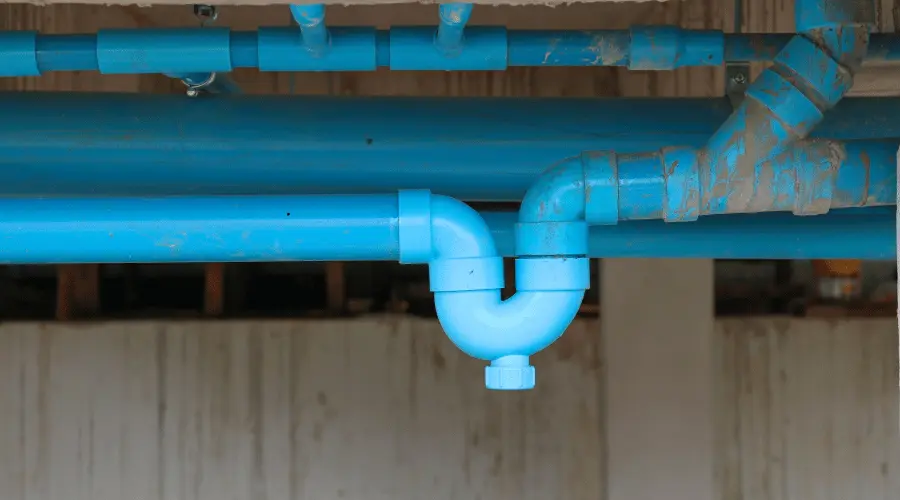
One of the most common reasons your home might smell like sewage is due to dry P-traps. A P-trap is the U-shaped pipe beneath sinks, showers, and floor drains. It holds a small amount of water that acts as a barrier to keep sewer gases from entering your living space.
When a fixture isn’t used regularly the water in the P-trap can evaporate, breaking the barrier and allowing foul-smelling gases to seep into your home. Fortunately, this is an easy fix. Simply running water down the drain for a few seconds will refill the trap and stop the smell.
Clogged Drains and Biofilm Buildup
Over time, your home’s drains can collect hair, food particles, grease, soap scum, and other debris. These materials can cause partial or complete clogs that slow water flow and encourage the growth of bacteria.
The resulting biofilm can give off a strong, sewage-like odor. Regular cleaning with natural solutions like baking soda and vinegar or calling a professional for drain cleaning services can help eliminate this issue.
Sewer Line Damage or Blockage
Another serious cause of sewage smells in your home is a damaged or blocked sewer line. If the main sewer line that connects your home to the municipal system becomes cracked, collapsed, or blocked (often due to tree root intrusion or shifting soil), it can release raw sewage and gases into your home.
Common signs include frequent backups, gurgling toilets, slow drains throughout the house, and a persistent sewer smell. If you suspect a sewer line issue, contact First and Last Restoration immediately. Our technicians can perform a camera inspection to find the source and recommend repair or replacement.
Blocked or Broken Plumbing Vents
Your home’s plumbing system includes vent pipes that release sewer gases outside, usually through the roof. These vents also allow fresh air into the plumbing system to help water flow smoothly.
If a vent pipe becomes blocked by debris, leaves, or even animal nests, or if it’s cracked or disconnected, gases can back up into your home. This can cause strong odors, especially after flushing toilets or using sinks. A licensed plumber or restoration specialist can clear the blockage or repair the damaged vent.
Broken or Worn Toilet Seals
Each toilet in your home is sealed to the floor with a wax ring. This ring creates a watertight and airtight seal between the toilet base and the drainpipe.
If the wax ring wears out, becomes loose, or shifts over time, it can allow sewer gases to escape around the base of the toilet. If the smell seems to be strongest in the bathroom and especially near the toilet, replacing the wax ring is likely the solution. To learn more about why your bathroom may smell like sewage click here.
Septic Tank Issues
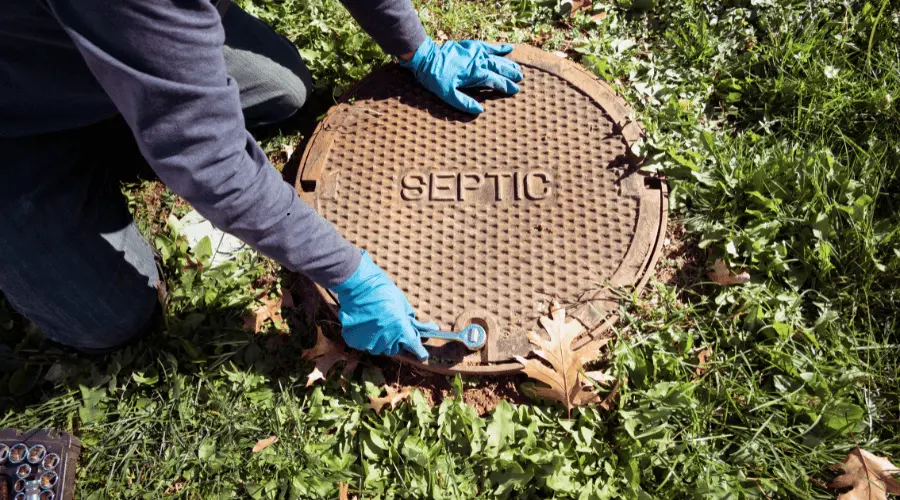
If your home uses a septic system, the smell could be coming from an overloaded or full septic tank. When the tank is too full, sewage may back up into the home or seep into the yard, both of which can produce a strong, unmistakable odor.
Routine pumping and inspection of your septic tank—usually every 3 to 5 years—is crucial. If you detect a foul smell indoors or around your yard, schedule a septic inspection as soon as possible.
Floor Drains and Basement Odors
Homes with basements or utility rooms often have floor drains connected to the sewer system. If these drains dry out, they can allow sewer gases to enter the space.
Additionally, basement plumbing fixtures may be more prone to trap issues and unnoticed leaks, especially if the area is infrequently used. Make a habit of pouring water into floor drains every month and checking for any signs of leaks, dampness, or mold.
Mold and Bacterial Growth
Sometimes, what seems like a sewage smell is actually mold or mildew. Mold can grow in hidden places such as behind walls, under floors, and inside HVAC systems—especially if there’s been previous water damage or high humidity.
While mold doesn’t always smell like sewage, certain species can produce a musty, unpleasant odor. First and Last Restoration offers professional mold inspection and remediation services to safely remove mold and restore air quality in your home.
Health Risks from Sewage Odors
Sewage odors aren’t just unpleasant—they can be dangerous. Sewer gas contains a mix of toxic compounds including hydrogen sulfide, methane, and ammonia. Prolonged exposure can cause symptoms such as headaches, nausea, dizziness, eye irritation, and respiratory issues.
In higher concentrations, sewer gas is flammable and potentially explosive. That’s why it’s important to take any sewage smell seriously and act quickly to identify and fix the problem.
How to Get Rid of the Sewage Smell in Your Home
Eliminating a sewage smell starts with identifying the source. Here’s a step-by-step approach:
Step 1: Inspect Unused Drains
Step 2: Clean Your Drains
Step 3: Check for Leaks or Damp Spots
Step 4: Flush the Vent System
Step 5: Call First and Last Restoration
If you can’t find the source our certified team will inspect your entire plumbing system, perform necessary repairs, and fully restore any areas affected by sewage or water damage.
Why Choose First and Last Restoration?
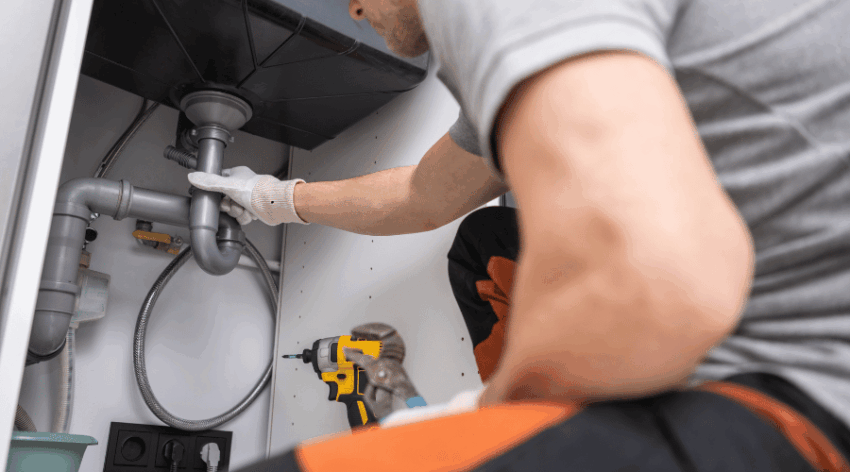
At First and Last Restoration, we specialize in sewage cleanup, water damage restoration, and mold remediation. We understand how disruptive and dangerous a sewage smell can be. That’s why our trained technicians use advanced tools and industry-best practices to identify and solve the problem quickly. Contact us today to get started!
We offer 24/7 emergency service, work directly with insurance companies, and are committed to restoring your home safely and efficiently.