
Water damage in walls is often a silent threat, gradually compromising the structural integrity of a building before obvious signs appear. Water damage in walls could be due to a number of reasons such as plumbing leaks, foundation cracks, gutter issues, or something else. Identifying water damage early can prevent costly repairs, mold growth, and health risks. This article will explore the causes, indicators, and prevention of water damage in walls, providing homeowners with the knowledge they need to act swiftly.
Common Causes of Water Damage in Walls
Plumbing Leaks
One of the most common culprits of water damage is leaking pipes hidden within walls. A burst pipe, slow leak, or improperly sealed plumbing fixture can lead to prolonged moisture accumulation, weakening drywall and creating an environment for mold to thrive.
Roof and Gutter Issues
Damaged shingles, clogged gutters, or poor drainage can allow rainwater to seep into the walls. Water can enter through the attic and gradually make its way downward, leading to visible damage and structural weakening.
Foundation Cracks
Cracks in the foundation allow groundwater to seep into walls, particularly in basements. Poorly sealed foundations are especially vulnerable during heavy rain or flooding, increasing the risk of moisture-related issues.
High Humidity and Condensation
Inadequate ventilation in areas such as bathrooms, kitchens, and basements can result in condensation buildup. Over time, excessive moisture fosters mold growth and deteriorates building materials, leading to water damage in walls.
Visual Indicators of Water Damage
Discoloration and Stains
Water stains appear as yellow, brown, or dark patches on walls and ceilings. These stains often indicate an active or past leak, with water slowly seeping through and affecting the wall’s surface.
Peeling or Bubbling Paint and Wallpaper
Moisture trapped behind walls can cause paint to bubble, crack, or peel away. Wallpaper may start detaching from the wall, forming visible bubbles or curling at the edges.
Visible Mold Growth
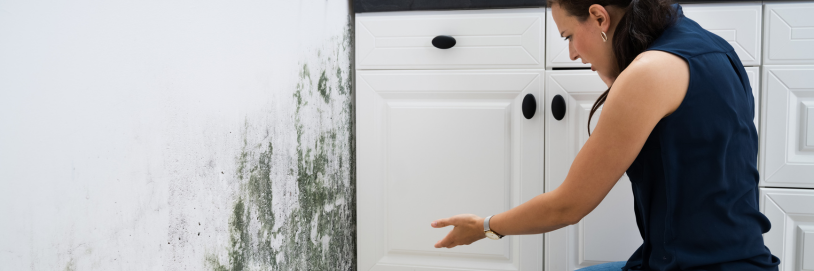
Mold growth on walls, especially in corners or near the ceiling, is a clear sign of moisture infiltration. Mold can range from black, green, or white spots and often spreads if the moisture issue is not addressed.
Tactile Signs of Water Damage
Soft or Spongy Drywall
Pressing against an affected wall may reveal a soft or mushy texture, indicating moisture absorption. Drywall that has absorbed significant water loses its rigidity and becomes fragile.
Cool or Damp Spots
Areas of the wall that feel unusually cool or damp suggest moisture is trapped inside. This is especially noticeable when touching walls during humid weather or after rainstorms.
Musty Odors
A persistent damp, musty smell is often a telltale sign of mold or mildew growth. Even if no visible mold is present, the presence of a strong, earthy odor suggests hidden moisture within the walls.
Health Implications of Water Damage
Respiratory Issues
Mold spores released from water-damaged walls can trigger respiratory problems such as asthma, allergies, and chronic coughing. Prolonged exposure can lead to more severe lung conditions.
Skin Irritations
Some individuals may develop rashes, itching, or other skin sensitivities due to mold exposure. The presence of bacteria and allergens in damp environments can exacerbate skin reactions.
Long-term Health Risks
Prolonged exposure to mold and damp conditions may lead to chronic health conditions, especially in children, the elderly, and those with weakened immune systems. Headaches, fatigue, and even neurological issues have been linked to poor indoor air quality caused by mold exposure.
Preventative Measures and Early Detection
Regular Inspections
Homeowners should periodically check for signs of water leaks, particularly in areas prone to moisture buildup such as bathrooms, kitchens, and basements. Monitoring plumbing, roofing, and the foundation can help detect issues before they worsen.
Maintaining Proper Ventilation
Proper airflow reduces humidity levels and prevents condensation. Using exhaust fans in bathrooms and kitchens, along with dehumidifiers in damp areas, can help keep moisture levels in check.
Prompt Repairs
Addressing small leaks and repairing damaged roofs, gutters, or plumbing fixtures as soon as issues arise can prevent extensive water damage. Routine maintenance can significantly reduce the risk of water infiltration..
Reach out to First and Last Restoration if you are dealing with Water Damage
Detecting water damage in walls early is crucial to avoiding costly repairs and health risks. By recognizing visual, tactile, and olfactory indicators, homeowners can take proactive steps to mitigate damage and ensure a safe living environment. Regular maintenance and professional inspections play a key role in preventing water-related issues. If you suspect water damage in your home, seek professional help from a trusted restoration service like First & Last Restoration to safeguard your property and health.