
If you’ve walked into your bathroom and been hit with a foul sewage smell, you’re not alone. This common household problem can be both unpleasant and alarming. A sewage odor in the bathroom usually points to issues in your home’s plumbing or drainage system, and ignoring it can lead to bigger problems.
At First & Last Restoration, we specialize in identifying and resolving odor issues tied to water damage, sewer backups, and structural concerns. In this article, we’ll explore the top reasons your bathroom may smell like sewage and what can be done to fix it.

1. Dry or Empty P-Traps
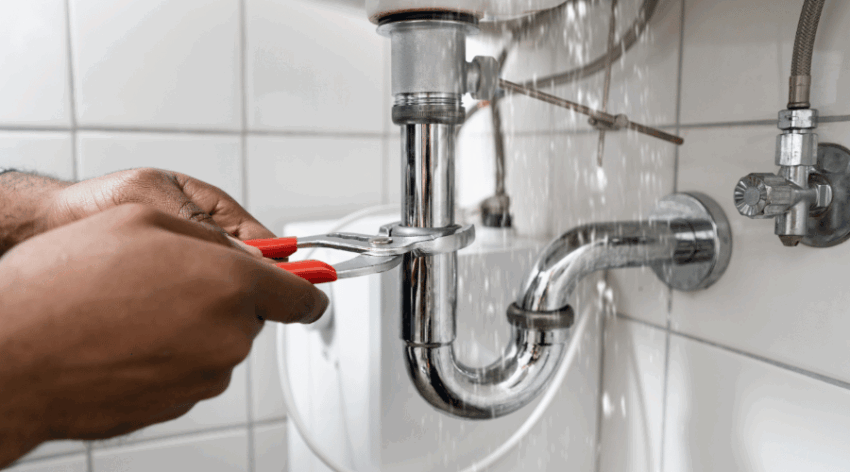
One of the most common causes of sewer gas odors is a dry P-trap. The P-trap is a U-shaped pipe located under sinks, tubs, and showers. It holds a small amount of water that acts as a barrier, preventing sewer gases from traveling up into your bathroom.
When a bathroom fixture hasn’t been used in a while, the water in the P-trap can evaporate. This opens a direct pathway for sewer gases to enter your living space.
Solution: Run water in all your bathroom fixtures regularly. If the smell goes away after doing this, the issue was likely a dry P-trap.
2. Clogged or Dirty Drains
Drains can collect hair, soap scum, skin cells, and other organic material. Over time, this buildup can cause bacteria to grow, resulting in a strong, musty or sewage-like odor.
Clogs can also trap waste and prevent wastewater from draining properly, which can amplify the smell.
Solution: First & Last Restoration provides expert drain cleaning as part of our plumbing and water damage services.
3. Broken or Loose Toilet Seals
Toilets are sealed to the floor with a wax ring. This seal keeps sewer gases from escaping through the base of the toilet. If the toilet becomes loose or the seal is broken, you may notice sewage smells—even if there’s no visible leak.
Another possible issue is a cracked toilet flange or poorly installed toilet that allows gas to escape.
Solution: Check to see if your toilet rocks when you sit on it or if there’s any visible gap at the base. Resealing or replacing the wax ring can resolve the issue. This may require lifting the toilet, so if you’re unsure, First & Last Restoration can inspect and reseal it as part of a bathroom odor remediation service.
4. Sewer Line Backups
If the smell is especially strong or seems to be coming from multiple fixtures, your home may be experiencing a sewer line backup. This happens when the main sewer line is clogged or damaged, causing waste to back up into your plumbing system.
Signs of a sewer backup include gurgling drains, water coming up through the tub when you flush the toilet, or multiple slow drains in your home.
5. Cracked or Blocked Vent Pipes
Plumbing systems are equipped with vent pipes that release sewer gases outside your home—usually through the roof. These vents help regulate air pressure and prevent gas buildup in your plumbing system.
If a vent pipe is cracked, blocked by debris, or poorly installed, it can cause gases to back up into the home and create a sewage smell in the bathroom.
6. Biofilm and Bacterial Growth
Sometimes, what smells like sewage could be the result of biofilm buildup—a slimy coating of bacteria that can develop in shower drains, sink overflows, or behind caulking.
As this bacteria grows and feeds on organic matter, it can produce a foul odor that’s often mistaken for sewer gas.
7. Mold and Water Damage
Bathrooms are naturally humid, and if there’s been a leak or past flooding, mold and mildew may be contributing to the sewage smell. Certain types of mold can produce odors that mimic those of sewage or rotting organic matter.
If you’ve recently experienced water damage from a leak, flood, or sewer backup, hidden mold could be present behind walls, under floors, or in the ceiling. To learn more about how to clean mold under a sink click here.
8. Damaged or Collapsed Pipes
Old, corroded, or cracked pipes under your bathroom or foundation can allow sewer gases to leak into your home. This is especially common in older houses with cast iron or clay piping.
Pipe damage can also lead to waste leaks, which not only cause bad smells but also pose serious health hazards.
Pipe damage is not always visible, but signs like persistent smells, soggy spots in the yard, or slow drains may point to a problem. First & Last Restoration can perform plumbing line inspections and repairs to fix or replace damaged pipes before they cause more extensive damage.
Trust First & Last Restoration for Reliable Solutions
A bathroom that smells like sewage isn’t just a nuisance, it can be a sign of more serious plumbing or structural problems. Whether it’s a simple P-trap issue or a full-blown sewer backup, First & Last Restoration is here to help.
Our team is trained in plumbing diagnostics, mold remediation, and water damage restoration, making us your go-to partner for identifying and eliminating the source of bathroom odors. We use state-of-the-art tools to pinpoint the problem, and we’re available 24/7 for emergency services.
When to Call a Professional
If your bathroom continues to smell like sewage despite your best efforts, it’s time to get expert help. You should contact First & Last Restoration if:
- The smell returns after running water or cleaning drains.
- You notice gurgling sounds, slow drains, or backups.
- There’s been recent flooding or water damage.
- You suspect mold or hidden plumbing damage.
Ignoring these warning signs can result in property damage, costly repairs, and health risks from exposure to sewer gas or mold.
Get Started Today
A sewage smell in your bathroom is more than just unpleasant—it’s a red flag that something in your home’s plumbing or drainage system isn’t working properly. Whether it’s a dry trap, venting issue, or sewer line problem, First & Last Restoration has the experience and equipment to diagnose and fix the issue fast.
Contact us today to schedule an inspection or emergency service. We’re proud to serve homeowners throughout the region with prompt, professional, and lasting solutions to keep your home safe, clean, and odor-free.