
Yes, a leak in the roof can absolutely cause mold. When water enters your home through a damaged roof, it creates the perfect conditions for mold to grow. Even small leaks can lead to significant mold issues if left unaddressed. Mold spores thrive in damp, humid environments, and a persistent roof leak can introduce just enough moisture into your home to allow mold to begin growing within 24 to 48 hours. Understanding the connection between roof leaks and mold is crucial to protecting your health and your home’s structural integrity.
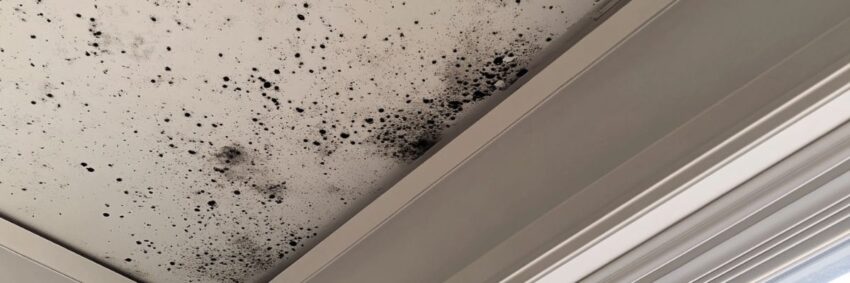
Signs of Mold Resulting from Roof Leaks
Detecting mold early is essential to minimizing damage. One of the first indicators is visual—stains or discoloration on your ceiling or walls. These may look like yellow or brown patches, often spreading over time. You might also see black, green, or even pink spots on surfaces where moisture has accumulated.
Another key sign is smell. Mold has a distinct musty odor that’s hard to miss. If you detect this scent but can’t immediately find its source, there’s a good chance it’s growing in a hidden area such as behind walls or inside your attic. Alongside these indicators, you or your family members may experience symptoms such as sneezing, coughing, congestion, skin rashes, or other allergy-like reactions.
Immediate Actions to Take After Discovering a Roof Leak
1. Contain the Water
Place buckets or containers under the leak to catch dripping water and prevent further damage. If water is bulging from the ceiling, carefully puncture the area to let it drain safely.
2. Move Belongings to Safety
Relocate furniture, electronics, and valuables away from the leak to avoid water damage. If items can’t be moved, cover them with plastic sheeting or waterproof materials.
3. Dry the Area Thoroughly
Use towels, fans, and dehumidifiers to dry the affected area as quickly as possible. Proper ventilation is key to preventing mold growth.
4. Inspect for Visible Mold
Look for discoloration, dark spots, or a musty smell around the leak. Mold can begin to grow within 24–48 hours, especially in hidden areas.
5. Call a Professional
Contact a roofing expert to fix the source of the leak promptly. If mold is suspected, consult a remediation specialist for a thorough inspection and treatment.
Mold Remediation Steps
If mold is already present, the method of cleanup depends on the extent of the problem. For small, surface-level mold growth—typically under 10 square feet—you may be able to handle it yourself. Wear protective gear like gloves, goggles, and an N-95 mask. Clean non-porous surfaces with soap and water, then disinfect with a solution like vinegar or diluted bleach. Make sure the area is completely dried afterward.
However, if the mold has spread beyond a small patch, has gotten into porous materials like drywall, or is located in hard-to-reach areas like behind walls or inside HVAC systems, professional help is necessary. Certified mold remediation specialists use advanced tools to detect and remove mold safely and thoroughly, ensuring it doesn’t return.
Preventative Measures to Avoid Mold from Roof Leaks
The best way to deal with mold is to prevent it from occurring in the first place. Start by inspecting your roof regularly—especially after storms or high winds—for missing shingles, damaged flashing, or clogged gutters that could allow water to pool and leak into your home. Address any signs of damage immediately.
Indoor humidity control also plays a critical role in mold prevention. Keep indoor humidity levels below 50% by using dehumidifiers and ensuring proper ventilation in your attic, bathrooms, and crawl spaces. Well-ventilated areas dry more quickly and are less likely to support mold growth. Being proactive can save you thousands of dollars in repairs and health-related expenses.
Health Risks Associated with Mold from Roof Leaks
Mold caused by roof leaks isn’t just a structural problem—it can impact your health. Mold spores released into the air can trigger a variety of symptoms, especially in those with allergies, asthma, or weakened immune systems.
Common health risks include:
- Allergic reactions: Sneezing, runny nose, itchy eyes, and skin irritation.
- Respiratory issues: Wheezing, coughing, and shortness of breath, especially for people with asthma.
- Long-term exposure risks: Headaches, fatigue, and potential complications from toxic mold in rare cases.
If you or anyone in your household starts experiencing these symptoms after a leak, mold may be the cause—and immediate action is recommended.
When to Seek Professional Help
There are several instances where you should call in a professional. If the affected area is larger than 10 square feet, if mold is visible inside your HVAC system, or if the mold is behind drywall or ceiling tiles, professional remediation is your best course of action. You should also seek expert help if you’re experiencing unexplained health symptoms that could be linked to mold exposure.
Additionally, if you’ve tried cleaning up the mold but it keeps coming back, that’s a sign the moisture source—like a persistent roof leak—has not been fully resolved. Professionals can locate hidden leaks and remove mold thoroughly to ensure it doesn’t return.
Protect your home from Mold Today
A roof leak is far more than just a nuisance—it’s an open invitation for mold to take over your home. The sooner you act, the better your chances of avoiding long-term structural damage and health complications. Regular roof maintenance, humidity control, and prompt repairs are key in keeping your home mold-free. If you suspect mold due to a roof leak, don’t wait. For guidance on managing your health concerns related to mold exposure or any other environmental health issue, contact First and Last Restoration for expert support and care.