
Mold in your air ducts is more than just an unpleasant odor—it’s a potential health hazard. When left untreated, it can reduce indoor air quality, trigger allergies, and worsen respiratory conditions. If you’ve noticed musty smells when the HVAC system runs or you’re experiencing cold-like symptoms without any clear cause, it’s worth investigating your ductwork. To get rid of mold in air ducts, start by turning off your HVAC system and cleaning visible mold with a mixture of water, detergent, or diluted bleach. Replace air filters and ensure the ducts are thoroughly dried. For severe cases or recurring issues, professional mold remediation is recommended.
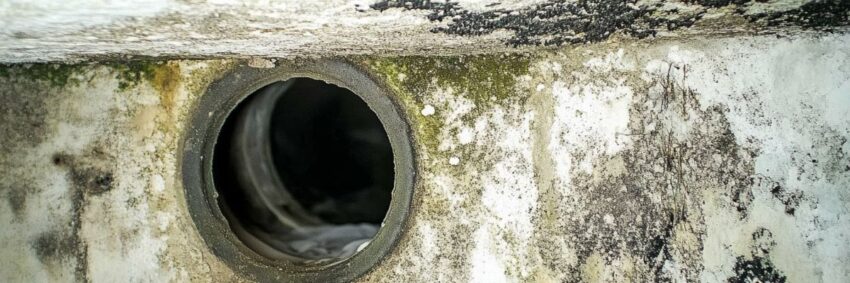
How to Remove Mold from Air Ducts
If you’ve discovered mold in your ductwork and it’s limited to small, accessible areas, you may be able to handle removal yourself. Below are the key steps to follow to safely and effectively remove mold from your air ducts.
Step 1: Turn Off Your HVAC System
Before doing anything, shut off your heating or cooling system. This prevents mold spores from circulating throughout your home during the cleaning process. It also keeps the work area safer and more controlled.
Step 2: Wear Protective Gear
Mold spores can cause respiratory issues, so it’s important to protect yourself. Wear gloves, an N95 mask or respirator, long sleeves, and safety goggles. This will minimize exposure while you clean.
Step 3: Inspect and Access the Mold
Remove the vent covers and inspect the inside of the ductwork using a flashlight. Look for visible mold buildup—typically black/brownish, green, or white patches on duct surfaces. Focus your cleaning efforts on areas you can clearly access without disassembling your system.
Step 4: Prepare Your Cleaning Solution
For non-porous surfaces like metal or plastic ducting, create a cleaning solution using one of the following:
- Warm water and mild detergent
- A mix of one part bleach to ten parts water (only for non-porous surfaces)
- A mixture of baking soda and water, which can neutralize odors as well
Never use bleach on porous duct materials like fiberglass, as it won’t penetrate deeply enough to kill mold at the root.
Step 5: Scrub the Mold Away
Use a stiff brush or cloth to scrub the mold-infested areas. Allow the solution to sit on the surface for at least 10 minutes before rinsing. This contact time helps kill any remaining spores. Be thorough but gentle enough not to damage the duct lining.
Step 6: Dry the Area Completely
Moisture is what mold thrives on, so make sure the cleaned ducts are dried completely. Use towels, fans, or even a portable dehumidifier to accelerate the drying process. Leaving any moisture behind could lead to a recurrence.
Step 7: Replace Air Filters and Contaminated Materials
After cleaning, replace your HVAC filters with new, high-quality ones. If any duct insulation or liners show signs of mold or moisture damage, they’ll need to be removed and replaced. These porous materials can harbor mold even after surface cleaning.
Step 8: Monitor for Recurrence
Over the next few weeks, monitor your home for musty odors or any visible signs of mold returning. If the mold returns quickly or spreads to new areas, it may be a sign of a deeper issue that requires professional intervention.
What Causes Mold in Air Ducts?
Mold thrives in environments where moisture and organic material are present. High humidity levels are a primary culprit—especially in homes without proper dehumidification. Water leaks near or within the HVAC system can also introduce moisture that allows mold to grow and spread.
Poor ventilation compounds the issue. Stagnant air inside ductwork or poorly designed HVAC systems can trap moisture and prevent it from drying. Dirty air filters can also play a role. When filters aren’t regularly replaced, dust and debris build up and provide food for mold spores. Combine that with moisture, and you’ve got a recipe for contamination.
When to Call the Professionals
Not all mold problems can—or should—be handled on your own. If you’re seeing mold across multiple vents, smelling strong odors throughout your home, or experiencing recurring mold even after cleaning, it’s time to consult a professional.
Licensed mold remediation specialists use industrial-grade tools like HEPA vacuums, antimicrobial fogging, and UV lights to remove and prevent mold growth inside ductwork. They’ll also assess your HVAC system and surrounding structure to locate the moisture source that’s causing the mold problem in the first place.
If anyone in your household has asthma, a compromised immune system, or is sensitive to allergens, professional remediation is strongly recommended to ensure your air is safe and clean.
Preventing Mold in Your Air Ducts
Once you’ve eliminated the mold, prevention is your next best move. First, keep indoor humidity levels between 30% and 50%. Using a dehumidifier in moisture-prone areas like basements or attics can make a big difference. Schedule regular HVAC maintenance. This includes cleaning coils, changing filters, and inspecting ductwork for leaks or buildup. Also, make sure your home has proper ventilation, especially in bathrooms, laundry areas, and kitchens, where excess moisture often builds up. Installing UV lights inside your HVAC system can also help. These lights destroy mold spores before they have a chance to grow and are commonly used in commercial settings for exactly this reason.
Final Thoughts
Getting rid of mold in air ducts requires a mix of vigilance, regular maintenance, and quick action when you notice the signs. While some smaller infestations can be addressed with DIY methods, widespread or recurring mold should always be handled by a certified professional. Clean air isn’t just about comfort—it’s about health. If you’re unsure about the condition of your air ducts or need expert guidance, contact First and Last Restoration. We can help ensure your home remains a safe, mold-free environment.