
If your house suddenly smells like a sewer, the culprit is usually sewer gas seeping into your home. This gas is made up of a mix of hydrogen sulfide, methane, and ammonia, which produces a strong, unpleasant odor similar to rotten eggs. Common causes include dried-out plumbing traps, clogged vents, faulty seals, or even damage in the sewer lines beneath your home. Understanding what’s behind this smell can help you fix the issue quickly and safely.
What Is Sewer Gas?
Sewer gas is a byproduct of the natural decomposition of organic waste. While it is typically vented away from your home through your plumbing’s ventilation system, any break or disruption in this setup can allow gas to enter your living space. Besides the strong smell, prolonged exposure to sewer gas can lead to nausea, headaches, and even more serious health concerns in high concentrations.
Common Causes of Sewer Smell in Homes
Dry or Evaporated P-traps
One of the most frequent causes is a dry or evaporated P-trap. This U-shaped section of pipe under your sinks, showers, and floor drains holds water that blocks sewer gases from coming back up through the drain. If the trap dries out—usually due to disuse—it allows gases to rise and spread throughout the room.
Biofilm or Debris Buildup in Drains
Another common source of sewer odor is biofilm or debris buildup in the drains. Over time, hair, soap, grease, and organic matter can collect inside the pipes, providing a breeding ground for bacteria. This can lead to a strong, musty, or sewage-like smell, especially in bathroom sinks and showers.
Blocked Vent Pipes and Clean-out Caps
Your home’s plumbing system relies on properly functioning vent pipes to allow sewer gases to escape through the roof. When these vents are blocked—by leaves, animal nests, or snow—gases are forced back into the home through the drains. Similarly, clean-out plugs or caps that are missing or broken can allow odors to escape directly into the living space.
Faulty Wax Ring or Toilet Seal
A faulty wax ring under your toilet can also be to blame. The wax ring seals the toilet to the drainpipe below. If it’s damaged or improperly installed, it creates an opening for sewer gas to leak out around the base of the toilet.
Cracked or Damaged Sewer or Drain Lines
In more serious cases, a cracked or damaged sewer or drain line can let sewer gas seep into your home’s foundation and rise into your living space. Tree roots, shifting soil, and corrosion are common causes of this type of damage.
Water Heater Sulfur Bacteria
Another potential cause, often mistaken for a sewer smell, is the presence of sulfur-producing bacteria in your water heater. This results in a rotten egg odor when running hot water but is not actually caused by sewer gas.
How to Identify the Source of the Smell
Pinpointing the exact source of the odor can take some detective work. Start by walking through your home and noting where the smell is strongest. Is it near a particular drain, toilet, or appliance? Check for signs like slow drainage, bubbling in the toilet, standing water in showers or sinks, or visible gaps around fixtures. Pay attention to areas that haven’t been used recently, as these are prime candidates for dried-out traps.
Step-by-Step Remedies
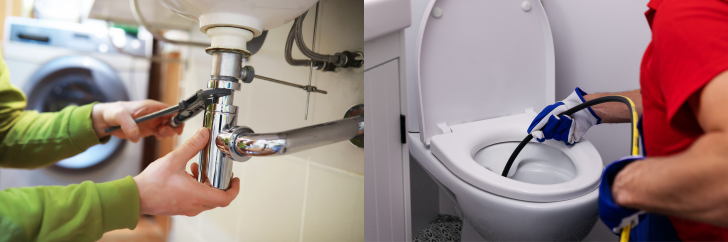
To eliminate the smell, begin with the simplest fix: refill any dry traps. Run water for at least 30 seconds in unused sinks, floor drains, or showers. For long-term prevention, you can pour a small amount of mineral oil down the drain to slow evaporation.
If debris buildup is suspected, clean the drain using a combination of hot water, baking soda, and vinegar. A physical cleaning using a drain brush or a straightened wire hanger can also help dislodge stubborn grime.
Check your roof vents to ensure they aren’t blocked. Clearing these may require getting up on the roof, so consider hiring a professional if you’re uncomfortable doing this yourself. Replace any missing or broken clean-out caps you find along your home’s plumbing lines.
If the smell seems to be coming from the base of the toilet, replacing the wax ring might solve the problem. This involves removing the toilet, so if you’re not confident in your plumbing skills, it’s best left to a professional.
For more complex problems like damaged sewer lines or persistent smells, a plumber may need to perform a smoke test or use a sewer camera to locate cracks or leaks underground. Similarly, if your water heater is the source, flushing the tank or replacing the anode rod may be necessary.
Conclusion
If your home smells like a sewer, don’t ignore it. While it might be a quick fix like refilling a dry trap, it could also signal a more serious issue like a broken pipe or vent blockage. Knowing what to look for and when to call in professionals can protect your home—and your health—from long-term damage.
At First & Last Restoration, we specialize in diagnosing and resolving unpleasant and potentially dangerous home odors. Whether it’s a sewer gas problem, water damage, or mold, our team is equipped to restore your home quickly and safely. Contact us today to schedule an inspection and breathe easier in your home again.